/ GUIDE
LOCAL SEO FOR
ALTERATIONS
& TAILORS
A customer looking for trouser hemming needs different information from someone planning a wedding fitting. Help each person understand what the shop handles, how appointments work and what must be inspected before a quote.
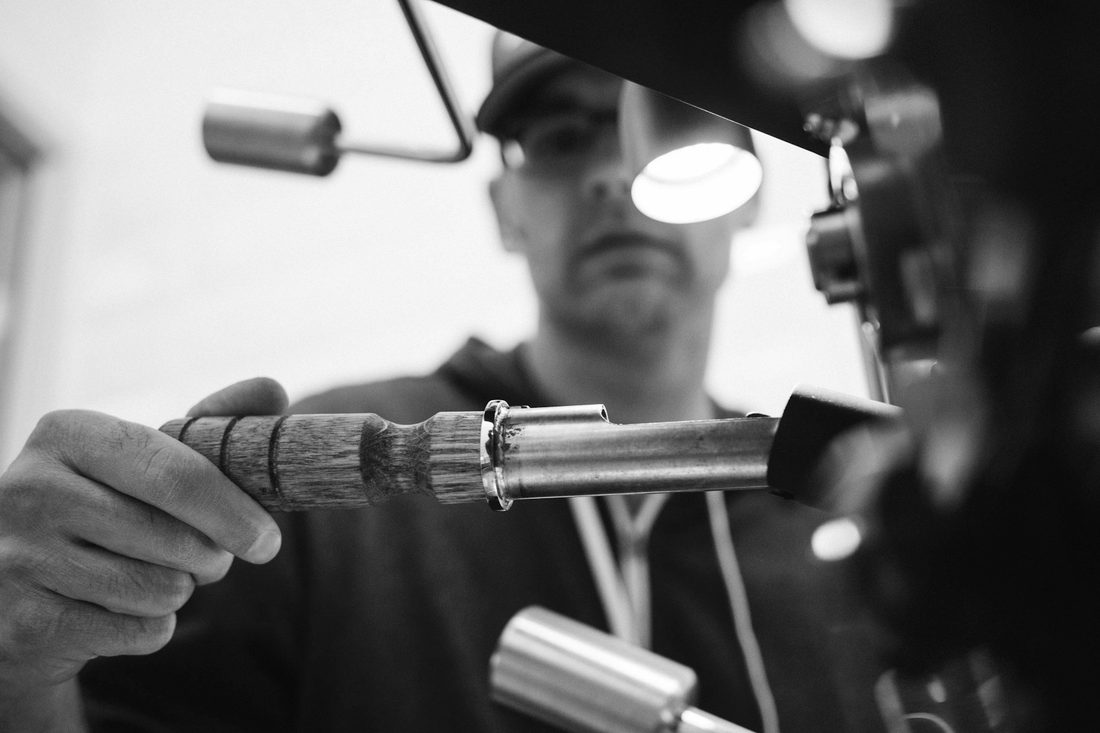
Local SEO for an alterations shop starts with accurate business information and pages that explain the work the shop actually accepts. Give customers a clear service, location, fitting process and next step, supported by real examples of the shop's work.
This guide is for owners implementing that work themselves. Our alterations SEO service explains the managed scope. A cleaner offering alterations as one part of its business can also use the dry-cleaner SEO guide.
Start with an approved service inventory
Ask the person doing the work which garments and modifications the shop accepts, which jobs require inspection, and what it declines. Separate alterations to existing garments from made-to-measure or bespoke work if those are different offers. Do not publish capabilities merely because another tailor lists them.
Create a short inventory with the service, accepted garments, fitting requirement, estimate process, current turnaround policy and booking destination. This is the source record for the website, profile and staff responses.
Example groups might include trouser hems, repairs and zip replacements, suit alterations or bridal work. They are planning examples, not a recommendation to advertise services the shop cannot fulfill.
Give distinct customer decisions their own explanation
Build a dedicated service page when there are enough distinct questions, proof and operating details to answer. Closely related small repairs can share a useful page. Avoid producing thin pages for every garment and nearby town.
| Service group | Customer questions | Useful evidence |
|---|---|---|
| Trouser alterations | Is a fitting required? What affects the estimate? | Actual accepted work and approved price guidance |
| Suit alterations | Which adjustments can be assessed? How are appointments arranged? | Named practitioner's relevant experience and real examples |
| Bridal alterations | How should I request a fitting? How is an event deadline assessed? | Permission-cleared portfolio work and the shop's current scheduling policy |
| Repairs | Which materials and problems are accepted? | Examples of repairs actually completed, with scope explained |
A page title can name trouser alterations and the shop’s actual city when that accurately describes the service. Keep headings readable and connect related services with descriptive links, following Google's SEO Starter Guide.
Explain the fitting and quote process
Say whether walk-ins are accepted, appointments are required or requests need confirmation. Ask the practitioner what customers should bring and publish only that approved preparation advice. Do not invent a universal number of fittings or promise every alteration can be completed before an event.
When a quote depends on inspection, explain what information can be provided online and what must be assessed in person. Display fixed prices only where the shop can honor the stated scope. Put contact details near this explanation.
The website checklist covers mobile usability and ownership. The booking requirements guide helps distinguish an appointment request from a confirmed slot.
Represent the real business on Google
Keep the name, hours, public address or appropriate service area and contact details accurate. Select categories that describe the actual core business and available services. Do not add keywords to the business name unless they are part of the name used in the real world.
Google's business representation guidelines govern eligibility and profile setup. An appointment-only or home-based operation should review the applicable address and customer-contact requirements. Do not create a second profile for alterations solely to occupy another result.
For a dry cleaner that also provides alterations, assess whether the existing profile and service information describe the actual business. The managed GBP service covers that review.
Make craftsmanship verifiable
Publish original photographs of actual work with permission to use them. Describe what was changed and avoid hiding details that would make a before-and-after comparison misleading. Do not use a representative garment photo as evidence of a named customer's outcome.
Introduce the people doing the work using verified experience, training or credentials they approve for publication. If a business does not hold a certification, do not imply one through a badge or structured data.
Invite honest feedback after a real service experience. Our review-request guide gives neutral templates that a garment-care business can adapt. Google's review guidance explains how to share the review destination.
Keep location pages tied to real service
A shop page should include practical access information and the actual appointment process. If there are multiple locations, state which services each one accepts. Do not imply that a pickup point performs fittings or specialist work unless it does.
A service-area page needs useful, accurate information about how customers in that area are served. Repeating a town name over substantially identical text adds little value. Google's spam policies address doorway abuse. Use the page only when it helps a customer make a distinct decision.
Track suitable inquiries and completed appointments
Measure whether the right queries reach the intended pages, then track calls, fitting requests and accepted appointments separately. A request for work the shop cannot take is not equivalent to a suitable inquiry.
- Keep a list of the pages and services changed.
- Record the deployment date and check indexing.
- Review Search Console by page, query and market.
- Compare inquiry quality with appointment and job records where attribution is available.
- Revise unclear service information before adding more overlapping pages.
Use keyword research to maintain the intent map and the wider SEO guide to prioritize technical work. If you want the inventory, pages, profile and fitting path reviewed together, request an alterations SEO audit.
- Published
- Updated
- Written by
- Samuel Godfrey
- Focus
- Laundry websites and search
/ QUESTIONS
- Does an alterations shop need a page for every garment?
- Only when the service has enough distinct customer questions and useful information. Related repairs can share one page; do not create thin variants solely for keywords.
- Should a dry cleaner create a second Google profile for alterations?
- Do not create a second profile solely for another service. Review Google’s eligibility and representation rules for the actual business structure.
- Can an alterations page promise a fixed turnaround?
- Publish only a turnaround policy the shop can honor, including any inspection, availability and event-deadline conditions.
LAUNDRY·SEO
LET’S GROW
YOUR LAUNDRY
BUSINESS
Share a few details about your business, our team will come back with a short read on what’s costing you orders.
CONTACT/